


Indoor Plant Care Guide for Healthy and Happy Homes
Indoor plant care plays an important role in creating a healthier and more comfortable home environment. When plants receive proper attention, they grow stronger, look better, and last longer. With simple routines and a basic understanding of plant needs, anyone can maintain thriving indoor greenery.
Introduction to Indoor Plant Care
Indoor plant care focuses on providing the right conditions for plants to grow successfully inside the home. These conditions include light, water, soil quality, and consistent observation. When these elements work together, plants remain healthy and visually appealing.
Many people choose indoor plants to improve their living spaces. In addition to decoration, plants contribute to a calmer atmosphere and support overall well-being. For beginners, learning the basics makes the process easier and more enjoyable over time.
Why Indoor Plant Care Matters
Indoor plant care supports both the appearance and comfort of a home. Healthy plants help regulate humidity levels and contribute to better air circulation, which can make indoor spaces feel fresher and more balanced. Over time, consistent care allows plants to adapt better to their environment and remain visually appealing.
According to Wikipedia, houseplants are commonly grown indoors for decorative, environmental, and well-being benefits, making them an important part of many modern homes.
For many homeowners, indoor plant care is closely connected to broader home improvement efforts focused on comfort, health, and daily living quality.
Understanding Light Needs for Indoor Plants
Light is one of the most important factors in plant health. Different plants require different light levels, and understanding this helps prevent common issues such as weak growth or leaf damage.
Some plants tolerate low light and adapt well to shaded areas. Others prefer bright, indirect light near windows. Meanwhile, certain varieties need several hours of direct sunlight each day to remain healthy.
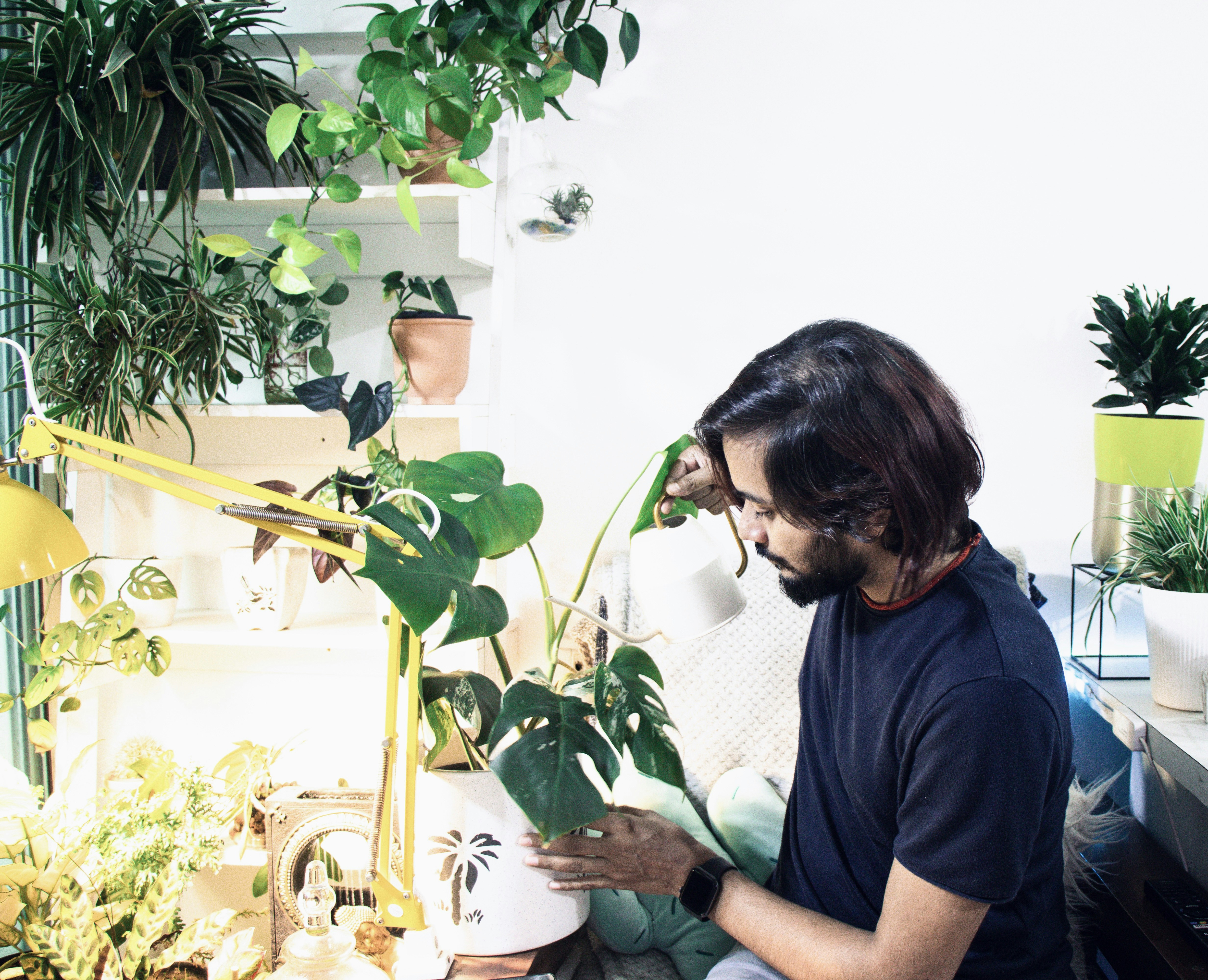
When natural light is limited, artificial lighting can support growth. Adjustable grow lights help maintain stable conditions throughout the year and allow plants to grow more consistently.
Watering Indoor Plants the Right Way
Watering correctly is essential for long-term plant health. Most indoor plants prefer soil that dries slightly between watering sessions. Checking the top layer of soil helps determine when watering is needed.
Overwatering is one of the most common mistakes. When roots remain in wet soil for too long, plants may weaken or develop root rot. Proper drainage and moderate watering help avoid this issue.
Underwatering can also stress plants. Dry soil and brittle leaves often indicate the need for more consistent care. Observing plant behavior helps maintain the right balance.
Choosing the Right Soil and Containers
Soil quality directly affects plant growth. Well-draining soil allows roots to breathe while retaining enough moisture for nourishment. Different plants thrive in different soil mixes, so choosing carefully is important.
Containers also influence plant health. Pots with drainage holes prevent water buildup and reduce root problems. Selecting the right pot size ensures roots have enough space without holding excess moisture.
Common Indoor Plant Care Mistakes to Avoid
Many plant problems start with small mistakes. Overwatering, poor lighting, and ignoring early warning signs often lead to plant decline.
Another common mistake involves frequently moving plants. Most plants prefer stable conditions and may react negatively to constant changes in location.
Ignoring pests can also cause damage. Regular inspection helps catch problems early and prevents larger infestations.
Seasonal Indoor Plant Care Tips
Plant needs change throughout the year. During winter, growth slows because of reduced light. At this time, watering should be less frequent.
In spring, plants often begin growing again. This period is ideal for refreshing soil and adjusting care routines. Summer usually requires more frequent watering, especially in warmer indoor environments.
By adapting routines seasonally, plants remain healthy and resilient year-round.
Easy Indoor Plant Care Tips for Busy Homes
Busy households benefit from low-maintenance routines. Choosing hardy plants reduces daily effort while still adding greenery to the home.
Self-watering containers help maintain consistency. Grouping plants together makes inspection easier and saves time.
Simple tools and reminders can support care routines without adding stress.
Long-Term Benefits of Consistent Indoor Plant Care
Consistent care leads to stronger plants and longer lifespans. Over time, plants become more resilient and require fewer corrections.
Well-maintained plants improve the overall appearance of a home. Balanced greenery adds warmth and comfort to indoor spaces.
In the long run, proper care reduces plant replacement and supports sustainable living habits.
Conclusion: Building a Healthy Indoor Plant Routine
Indoor plant care becomes easier with patience and consistency. By focusing on light, water, and regular observation, plants stay healthy and vibrant.
When approached with simple routines and realistic expectations, caring for plants enhances both the home and daily life. Over time, these small efforts create a rewarding and lasting indoor environment.